
FIRE AND ASHES Weapons: Melee, Pistol, AND Electric Voice
Explore FIRE AND ASHES weapons, from breakable melee gear and the pistol to Electric Voice. Learn how to parry, manage charge, and use sound to stay alive.
Jump to
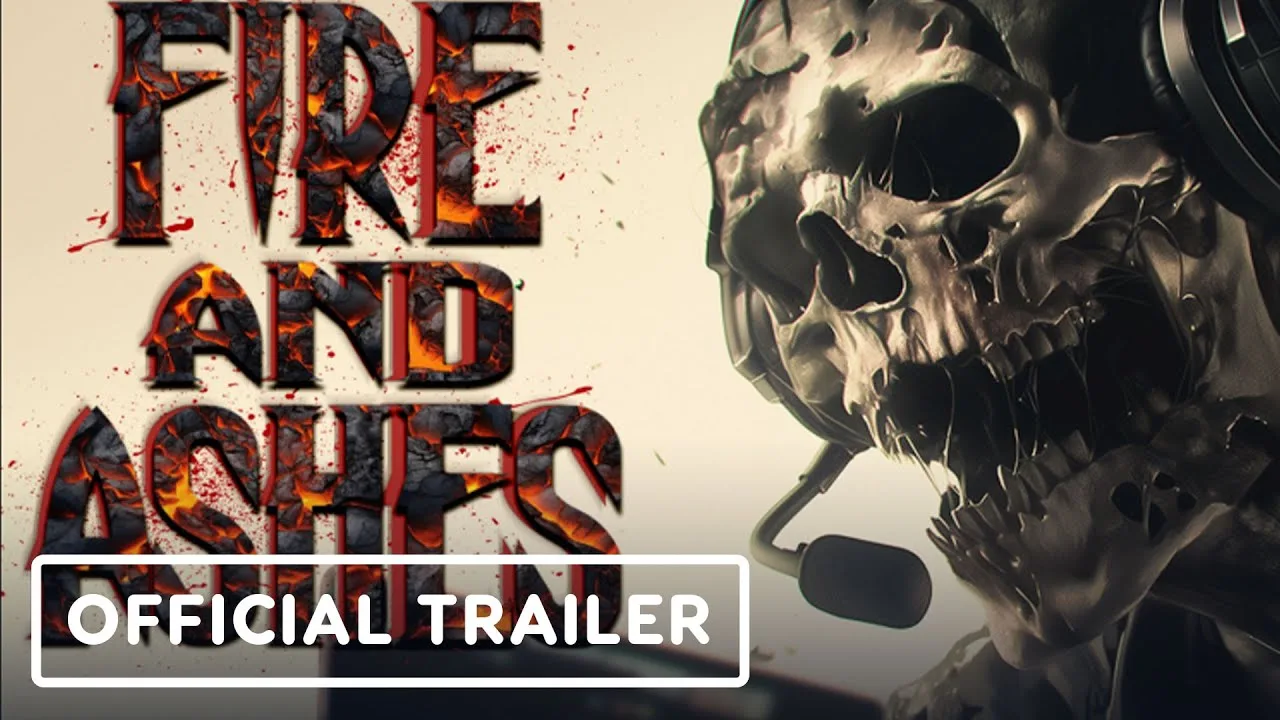
What Weapons Can You Use in FIRE AND ASHES?
A broken weapon and an approaching guard can turn a hospital corridor into a trap. Understanding FIRE AND ASHES weapons helps you manage melee durability, pistol ammunition, and the electrical charge that also powers useful objects. FIRE AND ASHES weapons include improvised melee gear, a pistol, and Electric Voice—a device that turns your shout into an electrical attack.
Henry Gray can fight back, but combat shares space with scavenging, puzzles, and escaping danger. Sound connects those systems: your voice can attract an enemy, create an attack opportunity, or activate Electric Voice, while unwanted noise can expose your position.
| Weapon or tool | Combat function | Resource or limitation |
|---|---|---|
| Improvised melee weapons | Close-range attacks against enemies | Melee weapons can break |
| Pistol | Ranged attacks | Uses ammunition |
| Electric Voice | Electrical stunning and sustained attacks against enemies with implanted diodes | Limited charge; replenished at special electrical boxes |
| Voice interactions | Distracting enemies and creating melee openings | Noise can reveal your position |
The melee arsenal includes knives, machetes, and metal pipes. Cleavers, fire axes, and clubs are also named within the game. These give Henry several physical weapons to work with, while Electric Voice adds both combat and environmental functions.
Keep those functions separate when choosing your next action. A voice taunt creates an opening; Electric Voice delivers electricity. They both involve sound, but understanding the distinction matters when an enemy is already close.
For players learning FIRE AND ASHES weapons, start by tracking three things: the condition of your melee weapon, your available ammunition, and your electrical charge. Check them before pushing into another confrontation.
Official page: FIRE AND ASHES (store.steampowered.com)
Melee Weapons, Durability, and Counterattacks
Melee combat puts you close enough to exchange blows with guards and other threats. Your weapon matters, but so does your ability to defend and respond without exhausting the energy needed for a counterattack.
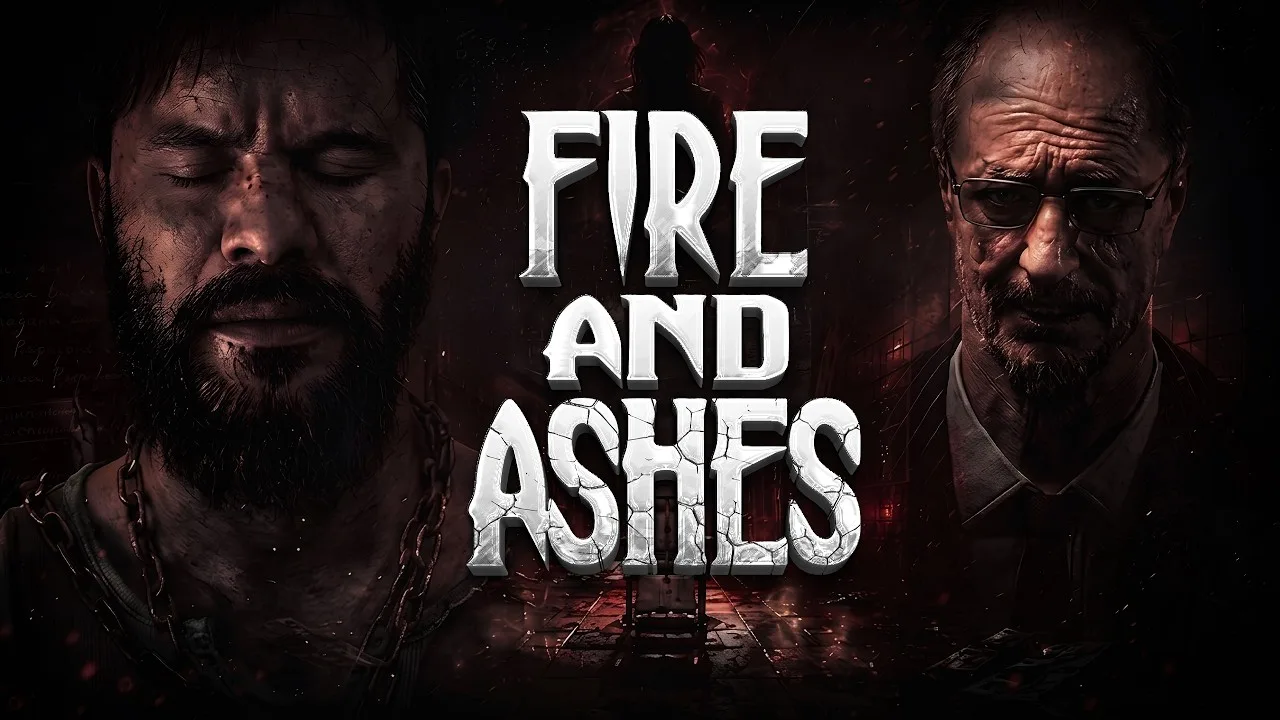
Weapons can break during combat. Search for replacements as you explore, and check your inventory after a prolonged fight. Finding another weapon means little if you enter the next encounter without realizing your current one has already broken.
Avoid spending every available swing on an enemy you can leave behind. The game includes both fighting and evasion, and breaking a weapon during an unnecessary confrontation leaves you with fewer resources for the next threat.
How Parrying Works
A parry requires you to block at the moment an enemy is about to strike. Successful timing knocks the attacker off balance and creates a short opportunity to retaliate.
When you have enough energy, an icon appears above the enemy to indicate that a powerful counterattack is available. The combat tutorial identifies crushing and finishing strikes as counterattack options.
| Combat mechanic | What happens | Requirement |
|---|---|---|
| Parry | The attacker is knocked back and left off balance | Block at the moment of the incoming strike |
| Powerful counterattack | A brief attack opportunity becomes available | Successful parry and sufficient energy |
| Counterattack indicator | An icon appears above the enemy | An available powerful counterattack |
| Voice counterattack input | A shout can replace the counterattack button | Microphone input enabled |
Preserve enough energy to use the opening you create. A successful defensive move does not automatically give you access to a powerful response when your energy is nearly depleted.
Watch for the counterattack indicator instead of assuming every blocked attack leads to a finisher. The distinction between an ordinary block and a correctly timed parry matters, especially when you are trying to turn defense into damage.
Managing Breakable Equipment
Treat durability as part of your preparation. When you find melee gear, compare its remaining durability with the weapon you are carrying before moving on.
During exploration, keep track of replacement weapons alongside healing supplies. Repeated close-range exchanges can cost both equipment and health, so check both after a difficult encounter.
With FIRE AND ASHES weapons, a familiar melee option is still useful only while it remains intact. Avoid planning an entire encounter around a weapon that is already close to breaking.
Electric Voice: Stunning, Damage, and Recharging
Electric Voice combines electrical attacks with control of powered objects. It delivers electricity to opponents with diodes implanted in their skulls, reaching the nearest eligible enemy without requiring physical contact.
A shout activates the device. Continuing to shout keeps the current flowing, allowing you to choose between a shorter stun and a sustained electrical attack. Prolonged use can kill the target, including a destructive head rupture.
That flexibility comes with a charge limit. Electric Voice draws from a finite supply and must be replenished at special electrical boxes.
| Electric Voice function | Effect |
|---|---|
| Electrical discharge | Reaches and stuns the nearest eligible enemy |
| Shorter application | Stuns while conserving charge compared with continuous use |
| Sustained application | Continues dealing electrical damage and can kill |
| Environmental power | Operates electric doors, lamps, and objects requiring electricity |
| Recharging | Restores charge at a special electrical box |
Choose Between a Stun and a Sustained Attack
Decide what you need before activating the device. Use a shorter application when you want an interruption, and commit to a sustained attack when you intend to keep dealing electrical damage.
Act promptly after a stun. Use that interruption to move away or follow through with your next action, rather than standing beside the target and waiting for it to recover.
Avoid assuming Electric Voice works against every creature Henry encounters. Its electrical attack is tied to the implanted diodes in eligible opponents. Keep your other weapons in mind when facing a different threat.
Save Charge for Environmental Tasks
Electric Voice also operates powered objects, including doors and lamps. That gives its charge a purpose beyond damaging enemies.
Before draining the device in a fight, look at the nearby environment. If your next task involves electrical equipment, preserve charge for that interaction and locate a recharge box when possible.
The forest makes the connection between electricity and survival especially clear. Powered lampposts create illuminated areas that protect Henry from the demons roaming the darkness. Their light fades, so both the lamps and your device need attention.
Activate the next lamppost before your current light goes out. Watch for dimming or flickering, and monitor your remaining charge while moving between illuminated areas.
Among FIRE AND ASHES weapons, Electric Voice requires you to think beyond the enemy directly ahead. Spending its charge can affect your ability to operate the environment as well as defend yourself.
Using the Pistol Without Wasting Ammunition
The pistol adds ranged combat to Henry’s equipment. Ammunition can be collected during exploration, giving you another resource to track alongside healing supplies, melee durability, and electrical charge.
Count your available rounds before committing to repeated shots. When ammunition is limited, avoid firing simply because an enemy is visible.
Make each shot a deliberate choice. Line up the target, fire when you have a clear opportunity, and reassess before continuing. If you cannot clearly see whether an attack is helping, avoid emptying the weapon without reconsidering your approach.
Keep a melee option available when you can. The pistol gives you distance, while a physical weapon provides another response when an opponent closes in or your ammunition runs low.
Likewise, remember that Electric Voice has its own requirements. Its ability to stun an eligible enemy does not turn it into a universal replacement for either the pistol or melee equipment.
Think of FIRE AND ASHES weapons as a set of tools with different costs. A melee exchange risks durability and health, pistol shots consume ammunition, and electrical attacks spend charge that also has environmental uses.
Before a difficult fight, review all three resources. That quick inventory check helps you choose an action based on what you actually have available.
Sound, Microphone Controls, and Combat Preparation
Sound can help Henry survive or draw danger toward him. Voice recognition responds to breathing, whispers, screams, and spoken words, so microphone use changes how you approach both exploration and combat.
You can shout to distract monsters, taunt guards to create melee openings, and use voice input for certain combat actions. You can also stay quiet to avoid attracting attention.
| Sound interaction | Gameplay effect |
|---|---|
| Quiet breathing or holding your breath | Helps avoid revealing your position |
| Shouting | Distracts enemies or buys time to escape |
| Taunting guards | Creates openings in melee combat |
| Shouting during an available counterattack | Can replace the counterattack button when microphone input is enabled |
Choose your input method deliberately. FIRE AND ASHES can be completed without a microphone, and button alternatives are available for voice-triggered actions.
If you talk frequently while playing, consider using those button alternatives. Conversation near an active microphone can attract enemies when you intended to remain quiet.
When using voice controls, plan what follows the sound. Identify an escape route before shouting to distract an enemy, or prepare to attack when taunting a guard. The useful part is the opening the sound creates.
Before moving deeper into a hostile area, run through this short checklist:
- Check whether your melee weapon needs replacing.
- Review ammunition before relying on the pistol.
- Recharge Electric Voice when a recharge box is available.
- Preserve electrical charge for nearby powered objects.
- Keep enough energy available for counterattack opportunities.
- Decide whether microphone input fits how you want to play.
Managing FIRE AND ASHES weapons means watching resources and enemy reactions together. Use the information in front of you: a counterattack icon, a fading lamp, a damaged weapon, or a low charge supply should influence your next move.
FAQ
What FIRE AND ASHES weapons can Henry use?
Henry can use melee weapons, a pistol, and Electric Voice. Melee equipment includes knives, machetes, and metal pipes, while the game also names cleavers, fire axes, and clubs. Voice interactions let you distract enemies and create attack openings.
How do you recharge Electric Voice?
Recharge Electric Voice at a special electrical box. Its charge supports electrical attacks and environmental interactions, including operating doors, lamps, and other objects that require power.
Do melee weapons break?
Yes. Melee weapons can break through use. Check durability, search for replacements, and review your inventory after extended combat so you know what equipment remains available.
Do you need a microphone to use the combat systems?
No. The game can be completed without a microphone, with button alternatives for voice-triggered actions. Enabling microphone input adds interactions involving your breathing, speech, and shouts, including attracting enemies and triggering certain counterattacks.
Continue with
 FIRE AND ASHES Enemies: Enemy Types AND Combat TipsLearn how to handle FIRE AND ASHES enemies with melee counters, Electric Voice stuns, and protective light. Prepare for hospital threats and forest demons.
More in Combat & Survival
FIRE AND ASHES Melee Combat: Parry AND Survival Guide
Master FIRE AND ASHES melee combat with tips for parries, counterattacks, weapon durability, and Electric Voice. Save your energy and survive close fights.
FIRE AND ASHES Resource Management: Combat Survival Tips
Master FIRE AND ASHES resource management with tips for Electric Voice charge, sound control, scavenging, and combat decisions that help keep you alive.
Continue exploring
Join the community
Official channels for news, updates and player help: