
FIRE AND ASHES Electric Voice: Combat AND Power Guide
Master FIRE AND ASHES electric voice combat, conserve charge, recharge your device, and power doors and lamps with tips for surviving Henry's nightmare.
Jump to

What Does Electric Voice Do in FIRE AND ASHES?
Your shout can stun an attacker, but it can also reveal your position. The FIRE AND ASHES electric voice device turns vocal input into electrical attacks, making charge management part of surviving Henry Gray’s nightmare. Understanding FIRE AND ASHES electric voice also helps you operate powered objects and keep protective lamps burning when the darkness becomes dangerous.
Electric Voice is a device with two connected jobs: controlling susceptible enemies and supplying electricity to objects. Against opponents with diodes implanted in their skulls, it sends an electrical discharge toward the nearest enemy. You do not need to press electrified probes against the target.
Keep shouting and the device continues producing current. A sustained attack can become lethal, while a shorter application lets you stun an opponent and conserve charge. That same limited energy supply also supports environmental interactions.
| Function | What Electric Voice does | Limitation to remember |
|---|---|---|
| Electrical attack | Delivers current to enemies with implanted skull diodes | Its combat function depends on those implants |
| Stun | Temporarily incapacitates a susceptible enemy | Continuing the discharge consumes more charge |
| Sustained attack | Can kill an enemy through prolonged electrical exposure | Requires a longer application of current |
| Environmental power | Operates electrical doors, lamps, and objects requiring power | The device has a limited charge supply |
| Recharging | Restores charge at a special electrical box | You need access to the charging equipment |
Think of the device as equipment you must budget across encounters and obstacles. Using electricity to kill an enemy draws on the same resource you need for its other functions.
Before activating it, decide what you need from that discharge: a brief interruption, a sustained attack, or power for an object. Making that decision beforehand helps you avoid holding the attack longer than necessary.
How to Use Electric Voice in Combat
FIRE AND ASHES electric voice combat revolves around how long you maintain the discharge. The device responds to your voice, and continuing to shout keeps current flowing. That gives you control over whether an encounter receives a short electrical interruption or a prolonged attack.
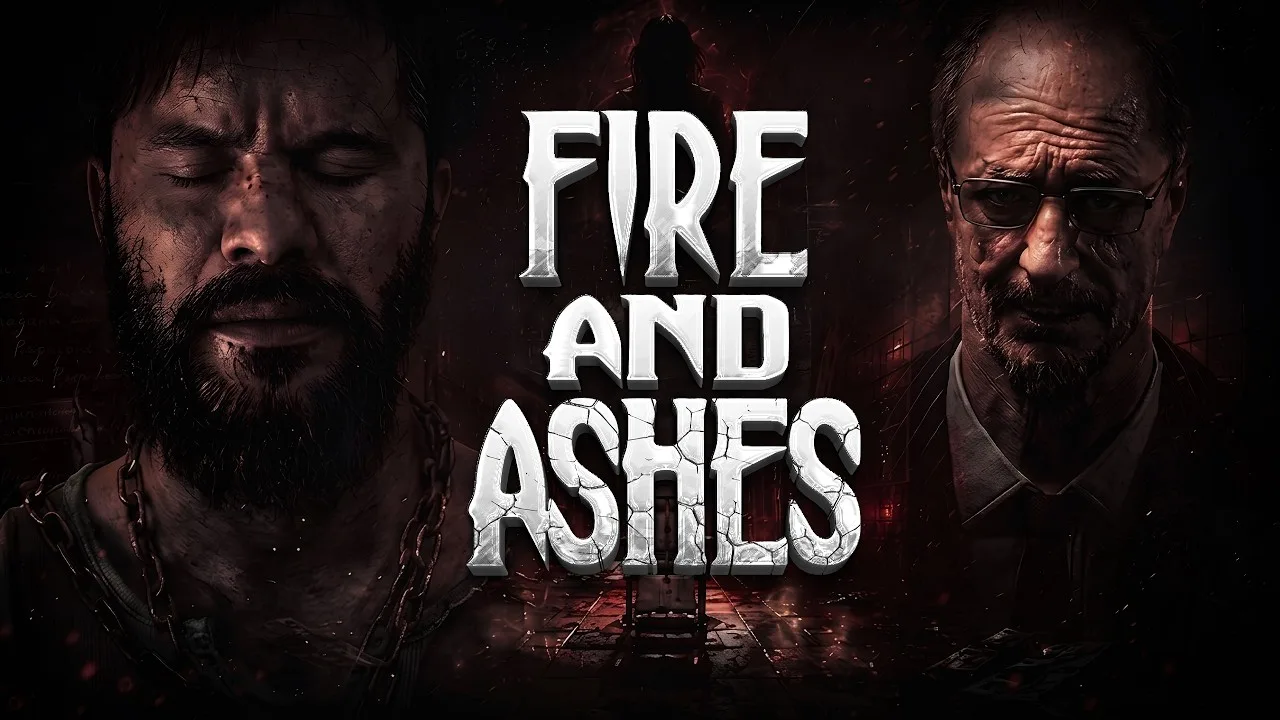
Its targeting behavior matters just as much. The device reaches the nearest enemy, while its electrical damage mechanic involves opponents carrying implanted diodes. Keep the nearby threat in mind before committing charge, especially when several enemies are around you.
Use a stun with a follow-up in mind
Apply a brief discharge when you want an interruption while preserving energy. Then act on that interruption: move away, reposition, or prepare another attack.
Avoid spending the entire opening deciding what to do next. Electric Voice provides a stun, and enemies can recover from it. Prepare your movement or follow-up before activating the device so you can use that temporary advantage immediately.
Keep melee combat in your plan, too. Henry can fight with scavenged weapons, and electricity gives you another way to manage an encounter. Check what you have available before choosing how much charge to spend.
Commit deliberately to a sustained attack
Keep the discharge going when you intend to pursue a lethal electrical attack. Prolonged exposure can rupture an affected enemy’s head, but maintaining that current draws on the device’s limited reserve.
Avoid turning every stun into an extended attack by habit. Decide whether you want to finish the target or create room to move, then release the activation when you have achieved that purpose.
| Combat choice | Mechanical effect | Resource consequence |
|---|---|---|
| Brief electrical application | Stuns a susceptible opponent | Preserves charge compared with prolonged use |
| Continued shouting | Keeps electrical current flowing | Extends charge consumption |
| Prolonged electrical exposure | Can kill the affected enemy | Commits charge to a sustained attack |
| Stopping the activation | Ends your continued electrical output | Stops extending that discharge |
Remember that voice use also affects the surrounding danger. Shouting can draw attention in FIRE AND ASHES, even when you are using sound offensively. Return to quiet play when you need to avoid advertising your presence.
Managing Charge and Recharging the Device
Treat FIRE AND ASHES electric voice charge as a survival resource with competing demands. Combat, powered doors, and lamps all give you reasons to activate the device. Spending heavily during a fight leaves you with less available for the next interaction.
Recharge the device at the special electrical boxes built for it. When you find one, account for the work still ahead: nearby enemies, objects requiring power, and any lamps you are relying on.
Avoid draining the device simply because an enemy is within reach. Use its stun function when a short interruption serves your purpose, and reserve sustained output for attacks you have deliberately chosen to continue.
Build a charge-conscious routine
Keep these habits in mind as you explore:
- Identify charging equipment. Notice where you can restore the device’s energy.
- Separate stuns from sustained attacks. Stop the discharge once it has delivered the interruption you wanted.
- Account for environmental use. Leave room in your planning for doors, lights, and other powered objects.
- Recharge before relying on protective lighting. Enter a lamp-dependent stretch with attention to the device’s remaining charge.
- Check both resources in the forest. A lamp’s fading light and the device’s energy supply each need attention.
Do not confuse recharging your equipment with powering an environmental object. The electrical box replenishes the device; activating a lamp uses the device to supply power.
That distinction becomes especially useful when you are moving between fights and exploration. After an encounter, reassess the device before using it again. A prolonged discharge changes what you have available for the next task, even if the fight itself is over.
Powering Doors, Lamps, and Forest Safe Areas
The FIRE AND ASHES electric voice device has practical uses beyond attacking enemies. It can control electrical doors, illuminate lamps, and supply objects that require power to function.
When you encounter an electrical obstacle, consider the device alongside your other interactions. Its role extends into puzzle solving and navigation, so keep it in mind when a mechanism needs electricity.
Avoid exhausting the charge on combat immediately before dealing with a powered object. Preserve energy when the device still has work to do in the surrounding area.
| Environmental element | Device interaction | What to watch |
|---|---|---|
| Electrical door | Uses the device’s electrical function | Remaining device charge |
| Lamp | Receives power from the device | Whether the light stays active |
| Other powered objects | Can be operated through electrical power | The object’s interaction and your energy supply |
| Forest lamppost | Creates protective light when charged | Dimming or flickering illumination |
| Special electrical box | Recharges Electric Voice | The device’s charge after replenishing |
Watch the lamps in the forest
Forest lampposts provide protection against the demons roaming the darkness. While you remain within their illuminated area, those demons cannot reach you. Outside the light, they move freely.
Both the lamps and your device require attention. A lamp beginning to dim or flicker warns that its protection is approaching an end. Keep track of the lighting while also watching your available device charge.
Activate the next lamppost before the current light disappears completely. Plan that move while you still have illumination, rather than beginning to search for your next powered refuge after darkness returns.
Use the lit area to organize your next action. Check where you intend to move, consider the next lamp, and avoid wasting electricity on unnecessary activation. The useful habit here is preparation: keep your destination and power supply in mind together.
A lamp protects a particular illuminated area. Stay aware of its boundaries instead of assuming that activating it makes the surrounding forest safe.
Playing With a Microphone or Using Button Controls
FIRE AND ASHES electric voice works within a broader voice recognition system. The game reacts to breathing, whispers, and loud vocal reactions, turning your real-world sound into part of the danger.
A microphone is recommended for immersion, but you can complete the game without one. Button-based alternatives let you play without making vocal input a requirement for reaching the end.
Choose your setup around how you intend to play. If you want the tension of controlling your own reactions, use the microphone and pay attention to what you say. If you need to speak frequently while playing, consider the button-based option.
| Input approach | What it involves | Practical consideration |
|---|---|---|
| Microphone play | Real-world voice and breathing feed into the sound system | Your conversation can attract enemy attention |
| Voice-activated offense | Shouting drives the device’s electrical output | Sustaining the shout sustains current |
| Button-based play | Supports completing the game without a microphone | Lets you play without relying on vocal activation |
| Quiet microphone play | Limits the sound you contribute | Supports avoiding detection |
Separate speaking from attacking
Keep ordinary conversation in mind when microphone input is enabled. Talking while streaming or chatting can provoke enemies, making exploration harder when you intended to move quietly.
Use deliberate vocal activation when you want an electrical attack, and quiet down when concealment matters. The game also lets you use shouting to distract enemies and vocal taunts to create attack openings, so sound has several tactical roles.
Do not assume every vocal action serves the same purpose. Distracting an enemy, taunting one, and sustaining Electric Voice are different decisions. Choose the action that matches your immediate need, and remember that louder input can expose you.
For the broader game, you can get FIRE AND ASHES on Steam. Whether you choose microphone input or button controls, keep the same priorities: deliberate attacks, controlled charge use, and enough power for the environment ahead.
FAQ
What is FIRE AND ASHES electric voice?
FIRE AND ASHES electric voice is a voice-activated electrical device that attacks enemies with implanted skull diodes. It can stun opponents, deliver a sustained lethal discharge, and power electrical doors, lamps, and other objects.
Does Electric Voice require a microphone?
You can complete FIRE AND ASHES without a microphone. Microphone input adds voice-driven interaction, while button-based alternatives support play without vocal activation.
How do you recharge Electric Voice?
Recharge the device at a special electrical box. Its charge is limited, so manage electrical attacks alongside the energy you need for powered objects and protective forest lamps.
Can Electric Voice kill enemies instead of stunning them?
Yes. A prolonged discharge can kill an affected enemy, including causing its head to rupture. Use a shorter application when you want a stun while conserving charge, and maintain the attack when you intend to commit to sustained electrical damage.
Continue with
 FIRE AND ASHES Voice Recognition: How to Use Your MicLearn how FIRE AND ASHES voice recognition turns breathing, whispers, and shouts into survival tools, how Electric Voice works, and how to play mic-free.
Continue exploring
Join the community
Official channels for news, updates and player help: