
FIRE AND ASHES Melee Combat: Parry AND Survival Guide
Master FIRE AND ASHES melee combat with tips for parries, counterattacks, weapon durability, and Electric Voice. Save your energy and survive close fights.
Jump to
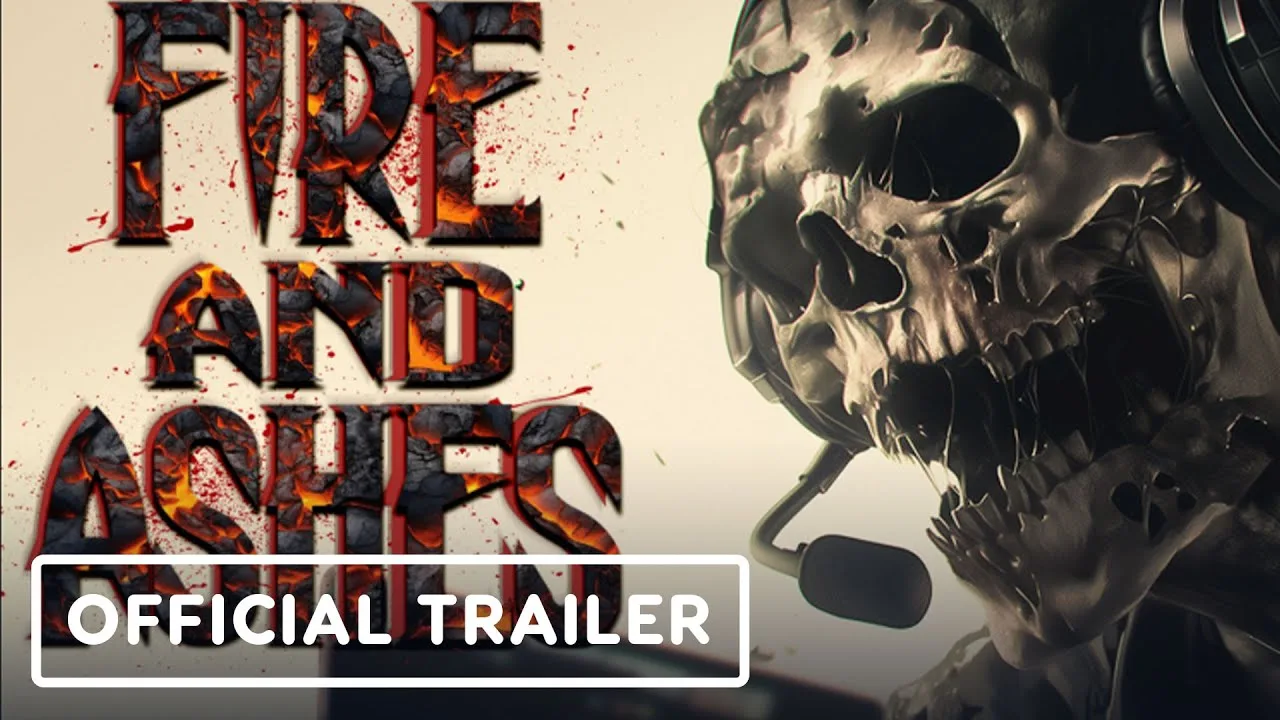
How FIRE AND ASHES Melee Combat Works
FIRE AND ASHES melee combat puts you within striking distance of enemies while your weapons and energy demand attention. A broken weapon or missed defensive opening can leave Henry struggling to survive the next exchange. Getting comfortable with FIRE AND ASHES melee combat means learning when to attack, when to parry, and when to create enough space to escape.
You play as Henry Gray, trapped in a nightmare that begins inside a psychiatric hospital. Fighting sits alongside exploration, scavenging, and puzzle solving, with opponents ranging from violent patients to creatures tied to cruel experiments.
Your close-range options include weapon attacks, blocking, timed parries, and counterattacks. Fists also feature in combat, while scavenged weapons give you additional ways to fight.
| Combat action | What it does |
|---|---|
| Attack | Strike an opponent with your current close-range attack |
| Block | Use the defensive action that also enables timed parries |
| Timed parry | Knock an attacking enemy back and leave them off balance |
| Counterattack | Follow a successful parry when the opportunity and sufficient energy are available |
The important distinction is between blocking and parrying. A parry requires pressing block at the moment an enemy is about to strike. Simply holding a defensive position and expecting a counterattack skips the timing requirement.
Start each encounter by checking your weapon and available energy. Watch the opponent before committing to repeated attacks, especially when meeting an enemy with a different attack speed.
Keep your immediate objective in mind, too. Henry needs to find items, solve puzzles, and move through dangerous locations. Avoid turning every encounter into an extended fight when an escape route is available. Survival includes getting past threats with enough resources left to handle what follows.
Learn the Parry and Counterattack Sequence
The defensive sequence in FIRE AND ASHES melee combat has a clear structure: meet an incoming strike with a timed block, knock the enemy off balance, and use the resulting opening.
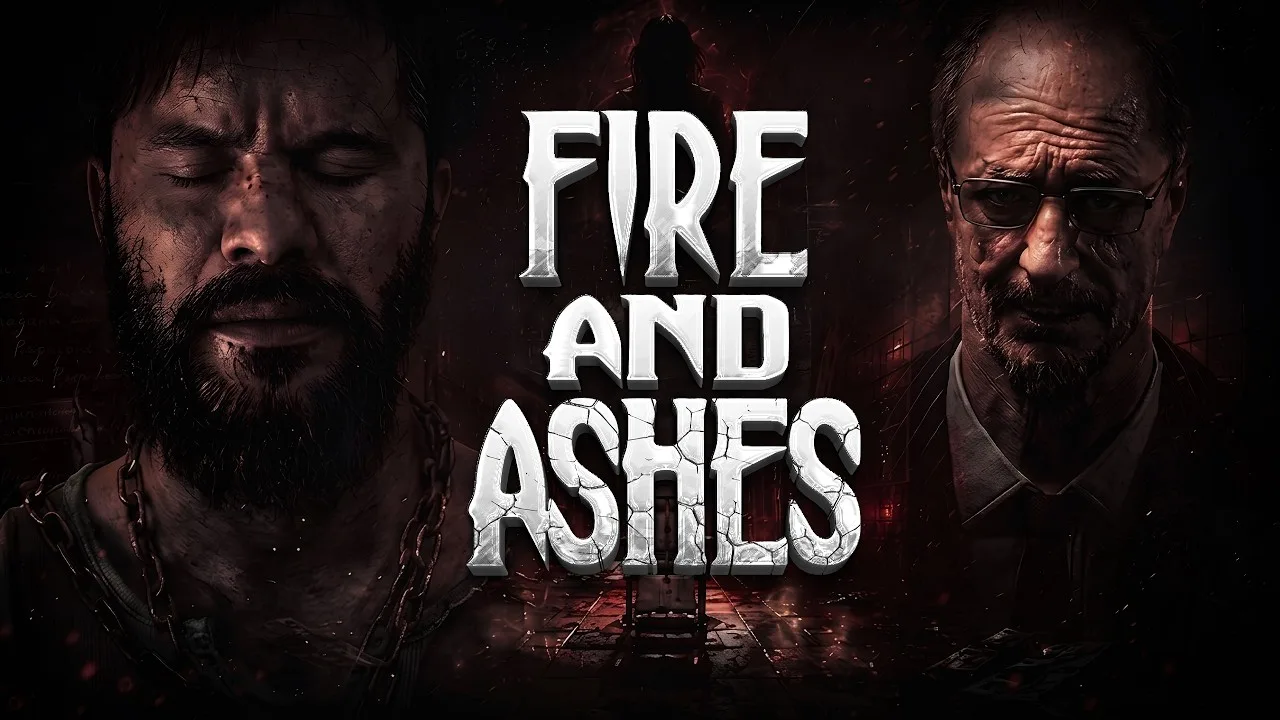
A successful parry creates a brief opportunity. When enough energy is available, an icon appears above the enemy’s head to signal a powerful counterattack.
That energy requirement matters. Creating an opening and having the resources to exploit it are separate parts of the exchange. An exhausted Henry cannot rely on the same powerful follow-up.
Time the Defense Around the Incoming Strike
Press block as the enemy is about to connect. Watch the attack rather than assuming every opponent follows the same rhythm.
Some enemies strike faster than others. Reassess your timing when a new opponent closes in instead of repeating the timing used against a slower attacker.
If an attack is difficult to read, create distance before trying again. Avoid spending all your health attempting the same defensive input without adjusting your timing.
Check the Counterattack Prompt
After a successful parry, look for the icon above the opponent. Use that prompt to recognize the counterattack opportunity instead of assuming every stagger allows a powerful finisher.
Keep enough energy available for the follow-up. Stop committing to repeated attacks when your energy is nearly empty, particularly if you intend to fight through parries.
With microphone input enabled, shouting can perform the counterattack instead of the corresponding button input. Choose the input method you can use deliberately while under pressure.
Avoid Forcing Every Encounter Into a Parry
Parrying gives FIRE AND ASHES melee combat an additional defensive option, but regular attacks remain part of the system.
Mix your decisions around the situation. Attack when you have an opening, prepare to block when an opponent commits, and disengage when your weapon or energy leaves you poorly equipped.
Against multiple nearby enemies, look for room to move before concentrating on a single counterattack. Keep the surrounding threats in view rather than watching only the prompt above one opponent.
Manage Weapons, Energy, and Healing
Weapon durability adds another concern to close-range fighting. Melee weapons can break, leaving you without the tool you were using moments earlier.
Scavenging therefore has a direct role in combat preparation. Weapons and healing items appear during exploration, alongside keys and other objects needed to navigate Henry’s nightmare.
| Equipment or resource | Combat detail |
|---|---|
| Metal pipe | A scavenged melee weapon |
| Machete | A close-range weapon Henry can obtain |
| Knife | Another weapon available during the game |
| Fists | An unarmed combat option |
| Healing items | Restore health during dangerous stretches |
| Weapon durability | Limits how long a melee weapon lasts before breaking |
Check durability before committing to a prolonged exchange. When another weapon is available, compare its remaining durability with the one you are carrying rather than choosing by appearance alone.
Keep track of your alternatives. If a weapon breaks during a fight, switch to another available option or retreat to make space. Avoid continuing the same attack routine without checking what Henry now has equipped.
Energy deserves the same attention. Fighting can leave Henry exhausted, and powerful counterattacks require enough energy to execute. Ease off repeated attacks when your reserve runs low.
For FIRE AND ASHES melee combat, resource awareness connects several decisions:
- Inspect your weapon before approaching another enemy.
- Look for replacement weapons while exploring.
- Preserve enough energy to use a counterattack opening.
- Check your health after taking hits.
- Keep an escape route in mind when equipment runs short.
Use healing based on your current danger rather than waiting for an arbitrary health threshold. Before another exchange, check whether you can afford another hit.
Recheck health after using a recovery item. Focus on Henry’s resulting condition instead of assuming every use leaves him ready for the same amount of punishment. Your next decision should follow the health you actually have.
Use Your Voice Deliberately
Sound affects more than atmosphere. FIRE AND ASHES responds to microphone input, including breathing, whispers, and louder reactions. Your voice can attract danger, create an opening, or help you escape.
That makes microphone use a combat decision. Talking continuously while playing can provoke enemies, especially when navigating areas where staying quiet matters.
| Voice interaction | Effect |
|---|---|
| Remaining quiet | Helps avoid revealing your position through microphone noise |
| Shouting | Can distract enemies and create time to escape |
| Taunting | Can create an opening for an attack |
| Shouting during a counterattack opportunity | Can replace the counterattack button input when the microphone is enabled |
Separate deliberate vocal actions from ordinary conversation. If you are chatting with someone while playing, use the game’s microphone option to keep that conversation from becoming an unintended interaction.
You can complete the game without a microphone. Button alternatives cover voice-related actions, so choose the control method that lets you respond consistently.
When using your voice in FIRE AND ASHES melee combat, decide what you want the sound to accomplish before making it. Shout to create an opportunity, then act on that opportunity. Avoid continuing to make noise without a purpose while trying to reposition.
Quiet and aggression both have roles. Stay silent when you want to avoid detection, and use a deliberate vocal action when you need an opening.
For an escape attempt, move when the distraction gives you time. For an attack, close the distance only when you are ready to follow through. Sound creates opportunities, but you still need to move, strike, or retreat to use them.
Combine Close-Range Fighting With Electric Voice
Electric Voice adds a different tool to Henry’s arsenal. It delivers electrical attacks to compatible enemies with diodes implanted in their skulls, reaching the nearest eligible target without requiring physical contact.
The device responds to your voice. A sustained shout keeps the current running, and prolonged electrical exposure can kill a compatible enemy. Shorter use allows you to stun while conserving charge.
| Electric Voice function | How it works |
|---|---|
| Electrical stun | Sends current to the nearest compatible enemy |
| Sustained electrical attack | Continues delivering current while you keep shouting |
| Extended attack | Can kill the affected enemy |
| Environmental power | Operates electrical doors, lamps, and other powered objects |
| Recharging | Restores limited charge at special electrical boxes |
Treat the stun as an opening and act promptly. Use the interruption to reposition, prepare a close-range attack, or move away from danger.
Watch the enemy’s response rather than assuming a brief electrical hit has ended the encounter. If you intend to follow with melee, approach ready to act instead of spending the opening hesitating.
Charge management links combat with exploration. Electric Voice also powers environmental objects, so check its remaining charge before committing to sustained electrical attacks.
Recharge at the special electrical boxes when you need power. Keep those recharge opportunities in mind while exploring, particularly before returning to a route that uses electrical devices.
For FIRE AND ASHES melee combat, the useful connection is between interruption and follow-through. A stun can give you time to change the situation; use that time with a specific goal.
Apply the same discipline to ordinary parries. Check your energy, recognize the opening, and commit only when you are prepared to finish the action. Before the next encounter, inspect your weapon, health, and electrical charge together.
You can get the game through the FIRE AND ASHES Steam page.
FAQ
How do you parry in FIRE AND ASHES melee combat?
Press block at the moment an enemy is about to strike. A successful parry knocks the opponent back and leaves them off balance. With sufficient energy, an icon above their head signals an available powerful counterattack.
Why is a counterattack unavailable after a parry?
Powerful counterattacks require enough energy. Check your energy reserve and watch for the counterattack icon after the parry. Avoid exhausting Henry with repeated attacks when you want to use the follow-up.
Do melee weapons break?
Yes. Melee weapons have durability and can break during combat. Monitor their condition, search for replacements, and keep another combat option or escape route in mind before extending a fight.
Do you need a microphone for combat?
No. The game can be completed without a microphone, and button alternatives support voice-related actions. With microphone input enabled, shouting can trigger counterattacks and other interactions, while unwanted noise can attract enemies.
Continue with
 FIRE AND ASHES Resource Management: Combat Survival TipsMaster FIRE AND ASHES resource management with tips for Electric Voice charge, sound control, scavenging, and combat decisions that help keep you alive.
More in Combat & Survival
FIRE AND ASHES Enemies: Enemy Types AND Combat Tips
Learn how to handle FIRE AND ASHES enemies with melee counters, Electric Voice stuns, and protective light. Prepare for hospital threats and forest demons.
FIRE AND ASHES Weapons: Melee, Pistol, AND Electric Voice
Explore FIRE AND ASHES weapons, from breakable melee gear and the pistol to Electric Voice. Learn how to parry, manage charge, and use sound to stay alive.
Continue exploring
Join the community
Official channels for news, updates and player help: