
FIRE AND ASHES Voice Recognition: How to Use Your Mic
Learn how FIRE AND ASHES voice recognition turns breathing, whispers, and shouts into survival tools, how Electric Voice works, and how to play mic-free.
Jump to
How Does FIRE AND ASHES Voice Recognition Work?
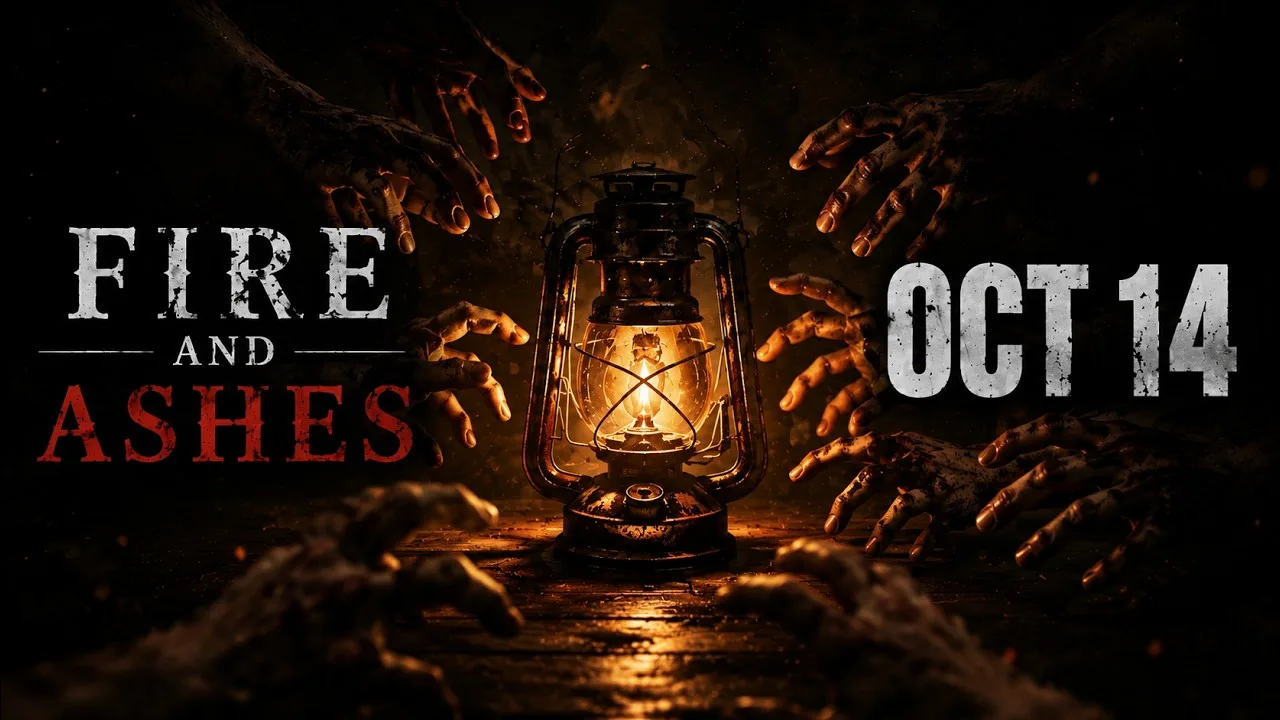
FIRE AND ASHES voice recognition turns your breathing, whispers, and startled shouts into part of the nightmare. That matters because sound can reveal your position, distract a threat, or help create an opening during combat. Learning FIRE AND ASHES voice recognition means deciding when to stay quiet and when making noise is worth the danger.
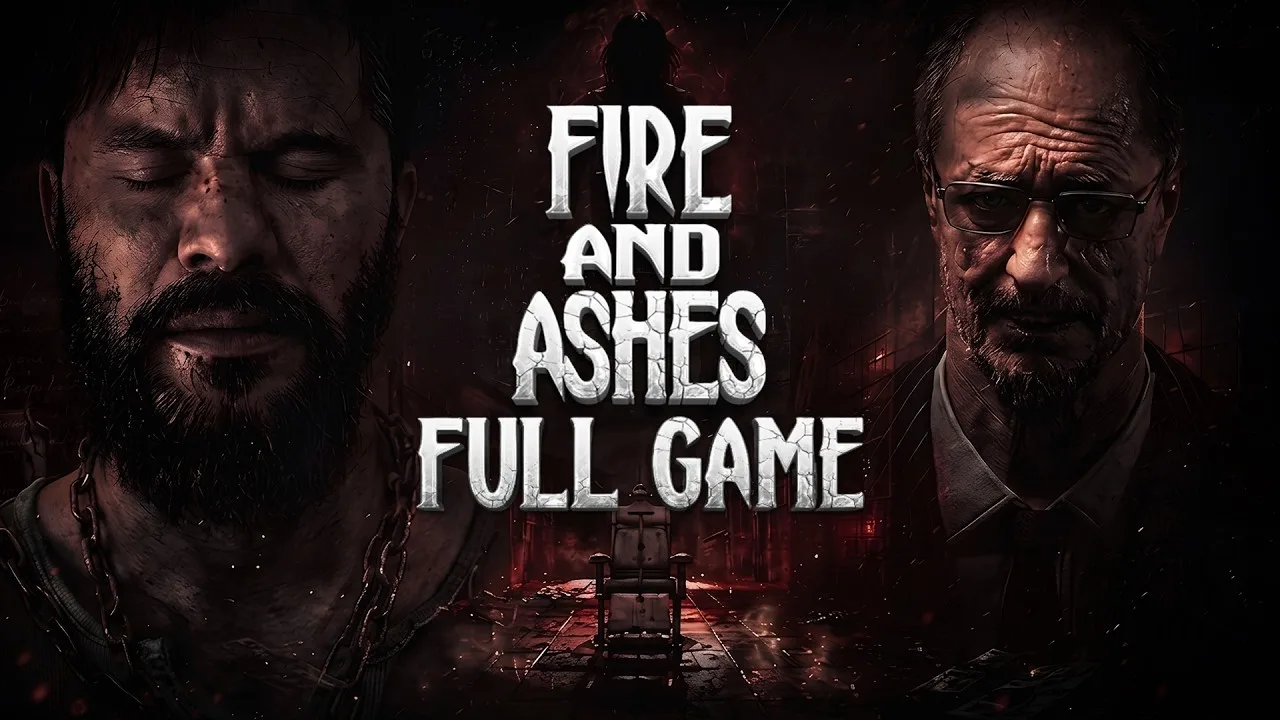
You play as Henry Gray, who awakens in a psychiatric hospital in 1977. His search for answers takes him through decaying wards, laboratories, and disturbing places connected to his past. Alongside exploration, puzzles, and improvised melee combat, your voice becomes another survival tool.
The microphone feature reaches beyond spoken words. Breathing and involuntary reactions also matter, giving a tense encounter another layer: controlling Henry while keeping your own response to the horror in check.
| Vocal input or behavior | Gameplay role |
|---|---|
| Breathing | Can give away your presence |
| Whispers and spoken words | Inputs the voice system reacts to |
| Shouting or screaming | Can distract enemies or create time to escape |
| Vocal taunts | Can create openings against opponents |
| Voice activation with Electric Voice | Powers the device’s electrical attack |
A microphone is optional. You can complete the game without one, so voice integration is a choice about how you want to experience the horror.
With a microphone, consider sound alongside your movement, available resources, and immediate objective. Before speaking, decide what you want the noise to accomplish. Staying unnoticed and deliberately provoking an enemy call for different decisions.
Official page: FIRE AND ASHES (store.steampowered.com)
Keep Quiet When You Want to Avoid Attention
The uncomfortable part of FIRE AND ASHES voice recognition is that a reaction outside the game can become relevant inside it. A frightened gasp or shout is more than background noise when enemies respond to your voice.
During stealth, prioritize keeping your audible reactions under control. The game uses breath control as part of avoiding attention, while its broader voice system also responds to whispers. Treat speaking softly as an input rather than assuming a whisper is automatically safe.
Use these habits when trying to remain unnoticed:
- Pause optional conversation during tense encounters. Keep your attention on the threat instead of adding unnecessary vocal input.
- Keep your breathing quiet and comfortable. Avoid placing the microphone directly in the path of your breath.
- Resist shouting just because something surprises you. Save deliberate noise for a distraction, an escape attempt, or an attack.
- Choose your next action before making a sound. Decide whether you want to keep hiding, move away, or confront the enemy.
The goal is deliberate control. FIRE AND ASHES places hostile guards, disturbed patients, and supernatural threats in Henry’s path, but making noise is a separate decision from spotting danger.
Think about an encounter in terms of your immediate objective. If you want to pass without attracting attention, stay quiet. If you need a distraction, prepare to make noise with a purpose. That distinction helps keep an accidental reaction from replacing the action you intended.
Whispering deserves particular care. It feels discreet in everyday conversation, but it remains something this game listens for. During a quiet approach, leave unnecessary commentary until the danger has passed.
Use Shouts and Taunts to Create Opportunities
Silence is only one side of FIRE AND ASHES voice recognition. You can also shout to distract enemies, lure monsters away, and taunt guards to create opportunities during melee combat.
That creates a useful tension. The same voice that exposes you can help you escape or fight back. The decision depends on what you intend to do immediately afterward.
| Immediate objective | Voice action to consider | Intended result |
|---|---|---|
| Avoid attracting attention | Keep quiet | Reduce the chance of revealing your presence through sound |
| Draw a monster away | Shout deliberately | Lure the threat away |
| Create time to escape | Use a scream as a distraction | Gain an opportunity to get away |
| Create a melee opening | Taunt an opponent | Make room for an attack |
Use the table as a set of tactical choices. Before attempting a distraction, identify where you want to move. Before taunting a guard, decide whether you intend to attack or use the opening to escape.
Give every deliberate shout a follow-up action. Making noise without a purpose leaves you dealing with the attention it creates. A distraction becomes useful when you use the opportunity to change your situation.
Keep ordinary vocal distractions separate from Electric Voice attacks, too. A shout used to attract a monster serves a different purpose from activating an electrical weapon.
For combat, keep the objective narrow: provoke an opening, then act on it. For escape, focus on getting away rather than turning the distraction into an unnecessary confrontation.
FIRE AND ASHES voice recognition makes those choices personal because your response to a scare and your intended tactic use the same input. Practice separating an involuntary yell from a deliberate action. Ask yourself what you need—quiet, distance, a distraction, or an attack—and use your voice accordingly.
Understand Electric Voice Before Spending Its Charge
Electric Voice gives vocal input a direct combat function. This voice-activated device delivers electrical attacks to opponents with diodes embedded in their skulls, allowing you to stun a target without physical contact.
Its operation connects the duration of your shout to the duration of the electrical discharge. Continuing to vocalize sustains the current, making restraint part of managing the weapon.
That turns FIRE AND ASHES voice recognition into a resource decision. You are choosing both how to affect an opponent and how much of the device’s limited charge to commit.
| Electric Voice feature | What it does |
|---|---|
| Voice activation | Uses your shout to generate an electrical discharge |
| Diode-equipped targets | Receive the device’s electrical attacks |
| Sustained vocal input | Extends the duration of the current |
| Pacification | Allows the device to stun dangerous opponents |
| Power interaction | Can operate electric doors, lamps, and objects requiring electricity |
| Recharging | Restores charge at a special electric box |
Use the Discharge for a Specific Purpose
Decide whether you need to stun an enemy or continue an attack before sustaining your voice. Electric Voice supports pacification, while prolonged discharge can also kill.
End the discharge when it has served your immediate purpose. If you only need an opening to get away, avoid extending the attack simply because the device is still responding.
This distinction matters because charge is limited. Stopping after a stun preserves more of the resource than continuing an attack unnecessarily. Keep the encounter’s objective in mind rather than treating every use as a commitment to finish off the target.
The weapon’s target conditions also matter. Electric Voice attacks opponents fitted with the relevant diodes. Pay attention to that connection when deciding how to confront a threat.
Remember Its Electrical Utility
Electric Voice also interacts with parts of the environment. Electric doors, lamps, and other objects requiring power fall within its functions.
When examining an electrical obstacle, consider the device alongside your other available tools. Its utility gives you another reason to avoid wasting charge during combat.
Recharge it at the special electric boxes when necessary. Make that resource check part of preparing to continue: consider what you spent during the previous encounter and whether the device now needs power.
Keep the two uses distinct in your thinking. Pacifying an opponent is a combat decision; supplying electricity to an object is an environmental interaction. Both draw your attention back to the same limited device.
Choose Microphone Play or a Mic-Free Run
You do not need a microphone to finish FIRE AND ASHES. Microphone play adds reactions to your actual breathing and voice, while the game remains fully completable without that input.
Choose based on whether you want your real-world sound involved in the experience.
| Play option | What to expect |
|---|---|
| With a microphone | Voice integration responds to breathing, whispers, screams, and words |
| Without a microphone | The game can still be completed |
Choose microphone play if you want the additional responsibility of managing your audible reactions. Quiet exploration becomes a more personal exercise when an unexpected noise can come from you.
Choose a mic-free run if you prefer to play without speaking, share a room, or want to focus on Henry’s exploration and combat. You still have the hospital, puzzles, hostile encounters, and investigation into his past to contend with.
For microphone play, keep your surroundings in mind. Move optional conversations away from tense sections and keep the microphone comfortably positioned. Use your voice deliberately rather than trying to maintain constant silence throughout the whole game.
Your practical checklist is straightforward:
- Stay quiet when avoiding attention.
- Treat whispers as vocal input.
- Prepare a follow-up action before shouting.
- Use taunts to pursue a specific combat opening.
- Monitor Electric Voice charge and recharge when necessary.
- Choose mic-free play when vocal participation does not suit your situation.
The central skill in FIRE AND ASHES voice recognition is judgment. Sometimes your voice creates the problem; sometimes it creates the opening you need. Decide what sound should accomplish before you give the nightmare something to hear.
FAQ
Can you complete FIRE AND ASHES without a microphone?
Yes. FIRE AND ASHES can be fully completed without a microphone. Using one adds interaction through your breathing, whispers, screams, and spoken words, but vocal participation is optional.
Does FIRE AND ASHES voice recognition react to breathing?
Yes. Breathing is part of the voice integration, alongside whispers and other vocal sounds. During stealth, keep your audible reactions controlled and avoid unnecessary speech when you want to remain unnoticed.
Can shouting help you escape enemies?
Yes. Shouting and screaming can distract enemies or create time to escape, and you can use your voice to lure monsters away. Decide where you want to move before attempting the distraction, then use the resulting opportunity.
How does the Electric Voice weapon work?
Electric Voice uses vocal input to deliver electricity to enemies with diodes embedded in their skulls. Sustaining your shout extends the discharge. The device can stun or kill, power certain electrical objects, and requires recharging at special electric boxes.
Continue with
 FIRE AND ASHES Electric Voice: Combat AND Power GuideMaster FIRE AND ASHES electric voice combat, conserve charge, recharge your device, and power doors and lamps with tips for surviving Henry's nightmare.
Continue exploring
FIRE AND ASHES Melee Combat: Parry AND Survival Guide
Master FIRE AND ASHES melee combat with tips for parries, counterattacks, weapon durability, and Electric Voice. Save your energy and survive close fights.

FIRE AND ASHES Difficulty Guide: Combat AND Survival
Understand FIRE AND ASHES difficulty with practical tips for voice controls, melee combat, puzzles, and Electric Voice charge management. Plan your escape.
Join the community
Official channels for news, updates and player help: