
FIRE AND ASHES Ending Explained: Henry's Final Choice
FIRE AND ASHES ending explained: uncover Henry's family tragedy, Dr. James's treatment, and the final confrontation between painful reality and delusions.
Jump to
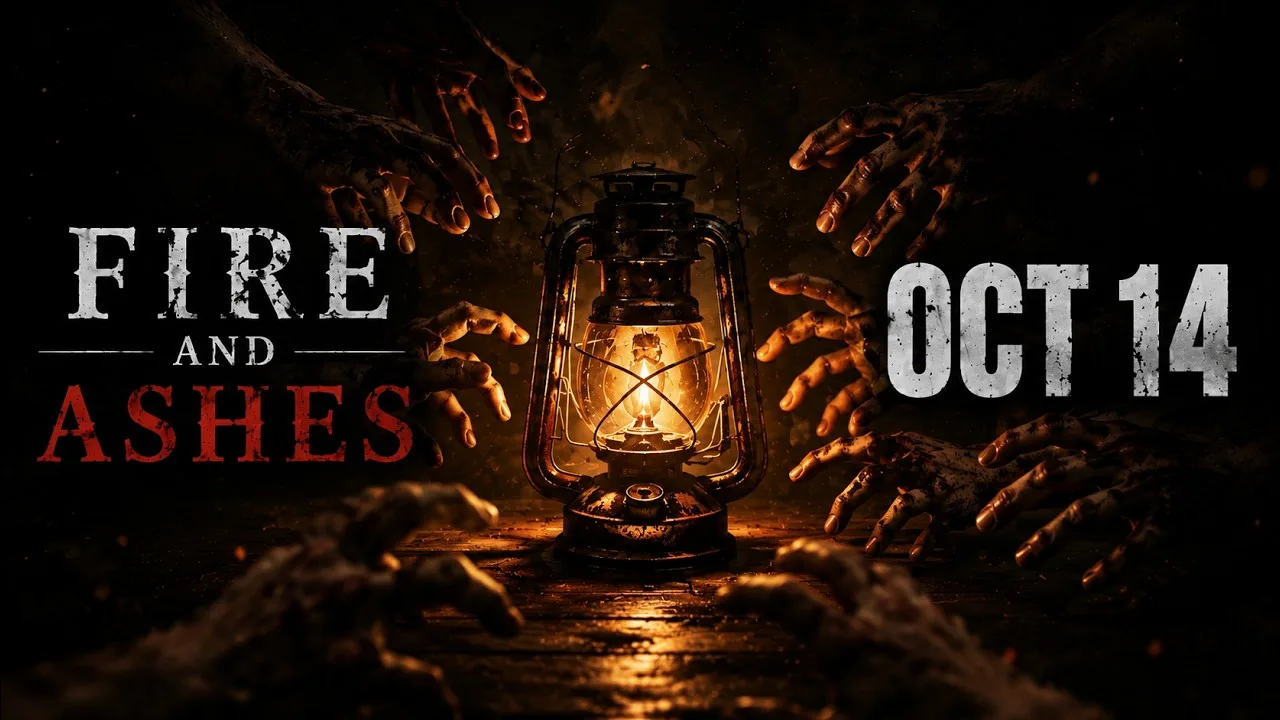
FIRE AND ASHES Ending Explained: What Happens to Henry?
Henry Gray reaches the truth about his family, but he still refuses the life waiting outside his nightmare. This FIRE AND ASHES ending explained guide breaks down how Dr. James’s treatment turns Henry’s memories into the horror you fight through. The central point of FIRE AND ASHES ending explained is that discovering the truth and accepting it are separate battles.
Major story spoilers follow, including discussion of sexual violence, suicide, and the death of a child.
The ending reveals that Henry is a psychiatric patient who has kept his eyes closed while experiencing a world shaped by hallucinations. His wife, Lily, and son, Sam, are dead. Dr. Arthur James is trying to reach him through that imagined world and help him accept their deaths.
That changes the meaning of your escape. Fighting through the hospital and confronting memories brings Henry closer to understanding his circumstances, but physical progress through the nightmare does not guarantee recovery.
| Ending revelation | What it means for Henry |
|---|---|
| Henry refuses to open his eyes | He is resisting the reality surrounding him |
| Dr. James communicates with him | The apparently intrusive voice belongs to a doctor attempting treatment |
| Doctors provide toy weapons | Ordinary objects become weapons within Henry’s imagination |
| Lily and Sam cannot return | Henry’s search for reunion cannot reverse their deaths |
| Henry raises a gun during the final exchange | He challenges the doctor instead of accepting his plea |
During that final confrontation, Dr. James tells Henry to lower the gun and describes it as a wooden toy. Henry responds by challenging the claim that his experiences are unreal.
The emotional turning point is his refusal to let go. Henry interprets being with Lily and Sam as the answer, while James is trying to help him continue living. Any FIRE AND ASHES ending explained reading needs to keep those conflicting goals in view: the doctor offers recovery, but Henry remains committed to reunion.
Official page: FIRE AND ASHES (store.steampowered.com)
What Happened to Lily, Sam, and Henry’s Father?
The family tragedy gives FIRE AND ASHES ending explained its darkest context. Henry’s grief is tied to abuse, concealed parentage, revenge, and two separate fires.
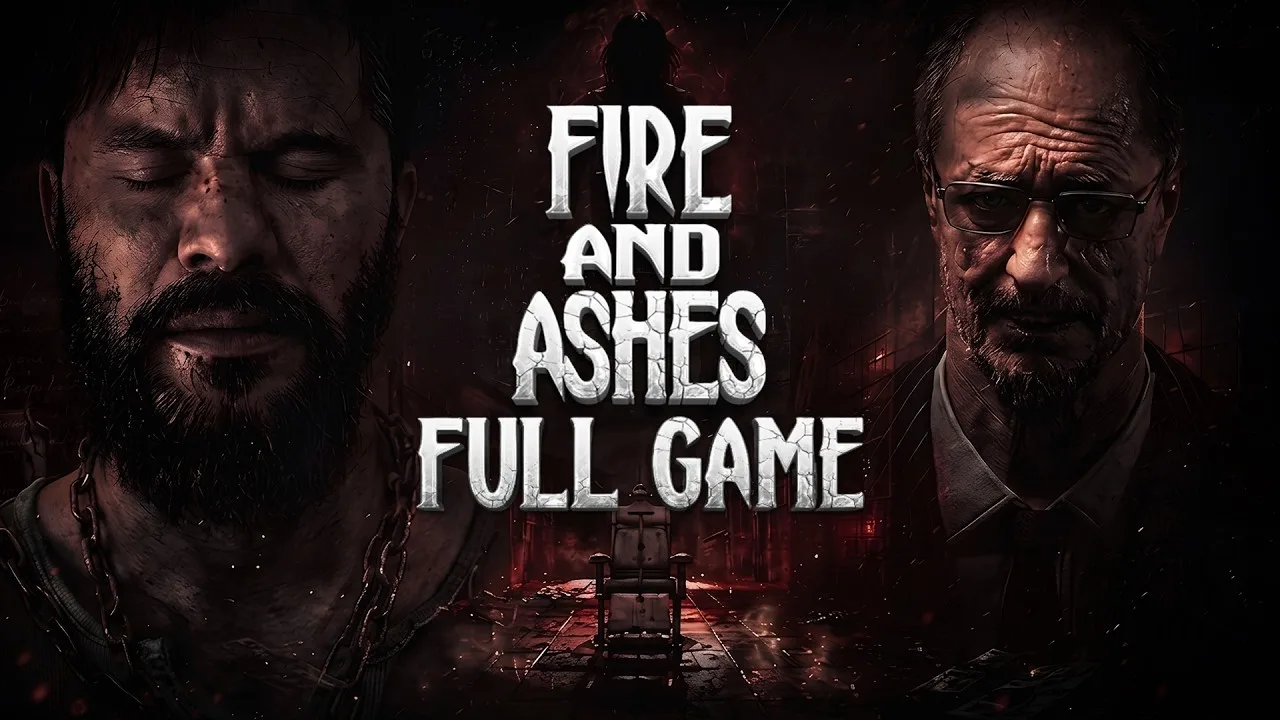
Henry’s father raped Lily and fathered Sam. Lily concealed that truth from Henry. Dr. James eventually explains that the fire at Henry’s father’s workplace was deliberate and was Lily’s revenge.
Lily later killed herself and Sam by setting fire to the interior of Henry’s Chevy Impala and driving into a tree. By the final explanation, 95 days have passed since their deaths.
These events should be kept separate. Henry’s father dies in the workplace fire; Lily and Sam die in the car fire. Combining them into one accident loses the chain of events behind Henry’s breakdown.
| Event | Story significance |
|---|---|
| Henry’s father abuses Lily | Establishes the hidden violence within the family |
| Sam’s parentage is concealed | Explains the devastating truth Henry eventually confronts |
| Lily starts the workplace fire | Connects the father’s death to revenge |
| Lily kills herself and Sam in the car fire | Explains the loss Henry cannot accept |
| Dr. James recounts the events | Replaces Henry’s hope of reversal with a direct account of the past |
Why does Henry’s father appear as an enemy?
Henry’s memories establish his father’s cruelty long before the final disclosure. As a child, Henry witnessed him slaughter marine animals for amusement. His father humiliated him for responding with distress and treated compassion as weakness.
The later confrontation brings that cruelty into Henry’s nightmare. His father taunts him about Lily and Sam while repeating the same contempt for his supposed cowardice.
That makes the encounter more than a fight against a frightening parent. Henry faces a figure associated with childhood humiliation and the destruction of his adult family.
Defeating that figure cannot restore Lily or Sam. The story separates confronting the person responsible for terrible harm from accepting what happened afterward.
What does Lily ask Henry to do?
When Henry meets Lily at the Blue Whale restaurant, she urges him to live and listen to Dr. James. The setting matters because Henry remembers proposing to her there: a place associated with their future becomes the setting for a conversation about surviving her death.
Lily also tells him that the meeting is happening inside his head. Her appearance offers emotional contact, but her words reject his belief that he can bring the family back.
Dr. James, the Hospital, and the Toy Weapons
Dr. James is central to FIRE AND ASHES ending explained because his role changes the meaning of the hospital’s threatening voices.
Early on, Henry treats Arthur James as a hostile presence invading his mind. James introduces himself, asks Henry to breathe calmly, and tries to establish trust. Later, Dr. Anderson’s recording explains the treatment behind those encounters.
Henry has been keeping his eyes closed and interpreting outside sensations through hallucinations. James attempts to help by giving him tools he can understand within that imagined environment.
The weapons are especially revealing. Doctors provide toy objects that Henry experiences as equipment for defending himself against nightmares. Fighting becomes part of the treatment’s attempt to help him confront fear.
| Detail encountered during play | Explanation revealed later |
|---|---|
| James speaks without appearing beside Henry | He is attempting contact while Henry remains absorbed in hallucinations |
| James asks Henry to trust him | Cooperation is necessary for the treatment |
| Henry receives weapons to fight his fears | Doctors use toy weapons as props within the experiment |
| Dr. Anderson describes Henry’s closed eyes | The nightmare is connected to his refusal to face reality |
| Doctors disagree over treatment | The medical team is divided over how to help him |
Pay attention to the treatment dispute. James objects to electroconvulsive therapy and asks for more time to continue working with Henry. His urgency comes from the danger of Henry’s condition and the pressure surrounding his treatment.
This also explains why James sometimes sounds reassuring and sometimes desperate. He needs Henry to believe him, yet the truth he must communicate is exactly what Henry is trying to escape.
The psychiatric setting therefore has two layers: Henry is receiving care in a hospital, while his experience transforms that environment into a trap filled with enemies. The ending asks you to reconsider how real sensations and objects have been distorted throughout the journey.
What the Fire, Closed Eyes, and Nightmares Mean
The imagery gives FIRE AND ASHES ending explained another layer beyond the family revelations. Fire destroys Henry’s family, while his refusal to look outward keeps him inside a world built from their loss.
The title can be read as a pairing of destruction and aftermath. Fire represents the events that shattered his life; ashes suggest what remains after those events cannot be undone. That interpretation fits Henry’s struggle: he wants to reverse the loss, while treatment requires him to live with its consequences.
His closed eyes make that conflict concrete. Henry is physically resisting the act that would reconnect him with the world outside his hallucinations.
| Recurring element | Connection to Henry’s story |
|---|---|
| Fire | Links his father’s death with the later deaths of Lily and Sam |
| Closed eyes | Express his resistance to facing reality |
| Distorted familiar locations | Turn places from his past into threatening environments |
| His father’s cruelty | Connects childhood memories with the family tragedy |
| Lily’s appeal to keep living | Gives Henry a different goal from pursuing reunion through death |
Are the monsters connected to real life?
James explains that nearly everything Henry encounters in his delusions draws on the life he cannot bear. That gives you a useful way to read the nightmare without assigning a precise identity to every enemy.
Look for recognizable details: family clothing, familiar places, remembered cruelty, medical voices, and objects that become something else inside Henry’s imagination.
The forest’s repeated references to memory and the brain reinforce that connection. You are moving through an experience shaped by Henry’s mind, even when it takes the form of a physical landscape.
Does voice recognition change the story’s meaning?
Sound makes Henry vulnerable while also giving him a means of resistance. Breathing and shouting can attract danger, and the Electric Voice device turns vocal input into a weapon.
That tension fits a story about contact and control. Henry must manage what he expresses while a doctor tries to communicate with him.
Keep the mechanic and the narrative separate, though: a microphone is optional, and the game can be completed without one. Voice recognition adds immersion to the struggle.
How to Read the Final Scene on a Replay
For FIRE AND ASHES ending explained on a replay, focus on the moments when Henry and James describe the same experience differently.
Henry believes he is navigating immediate threats. James speaks about fear, trust, treatment, and returning to reality. Once you know the reveal, those conversations become a running conflict over what Henry’s surroundings mean.
Use this checklist to connect the earlier scenes with the ending:
- Listen to James’s requests for calm. Connect them with his effort to establish communication.
- Revisit the weapon conversations. Notice how James frames equipment as help against Henry’s fears.
- Read Lily’s dialogue closely. Separate her request that Henry live from his desire to join her.
- Keep the two fires distinct. Track the workplace revenge separately from the fatal car fire.
- Pay attention to the father’s insults. Connect them with Henry’s childhood memories of humiliation.
- Follow the disagreement over the gun. The final exchange repeats the broader conflict between Henry’s perception and the doctor’s explanation.
Henry eventually understands facts that he previously resisted. What he does with that understanding creates the ending’s tragedy. James wants recognition to lead toward acceptance; Henry uses his desire for reunion to keep resisting.
FAQ
What is the main twist in FIRE AND ASHES ending explained?
Henry’s journey takes place within hallucinations while doctors attempt to treat him. He has refused to open his eyes after losing Lily and Sam. Dr. James is trying to help him accept their deaths and reconnect with reality.
Is Arthur James an enemy?
Arthur James is a doctor attempting to help Henry. Henry initially interprets him as a demonic presence, but the medical conversations and Dr. Anderson’s recording explain his treatment role.
Were Henry’s weapons real?
The doctors give Henry toy weapons that function as defensive tools within his imagination. During the final confrontation, James specifically describes the gun Henry raises as a wooden toy.
Why can’t Henry bring Lily and Sam back?
Lily and Sam died in the car fire. Henry’s encounters with Lily take place inside his mind, and she tells him they cannot return. His inability to accept that loss drives the conflict with Dr. James through the ending.
Continue with
 FIRE AND ASHES Henry Gray: His Story AND Ending GuideExplore the FIRE AND ASHES Henry Gray story, from his hospital awakening to his family's tragedy, Dr. James's treatment, and the haunting final scene.
More in Story & Characters
See all Story & CharactersContinue exploring
FIRE AND ASHES Enemies: Enemy Types AND Combat Tips
Learn how to handle FIRE AND ASHES enemies with melee counters, Electric Voice stuns, and protective light. Prepare for hospital threats and forest demons.
FIRE AND ASHES Weapons: Melee, Pistol, AND Electric Voice
Explore FIRE AND ASHES weapons, from breakable melee gear and the pistol to Electric Voice. Learn how to parry, manage charge, and use sound to stay alive.
Join the community
Official channels for news, updates and player help: