
FIRE AND ASHES Resource Management: Combat Survival Tips
Master FIRE AND ASHES resource management with tips for Electric Voice charge, sound control, scavenging, and combat decisions that help keep you alive.
Jump to
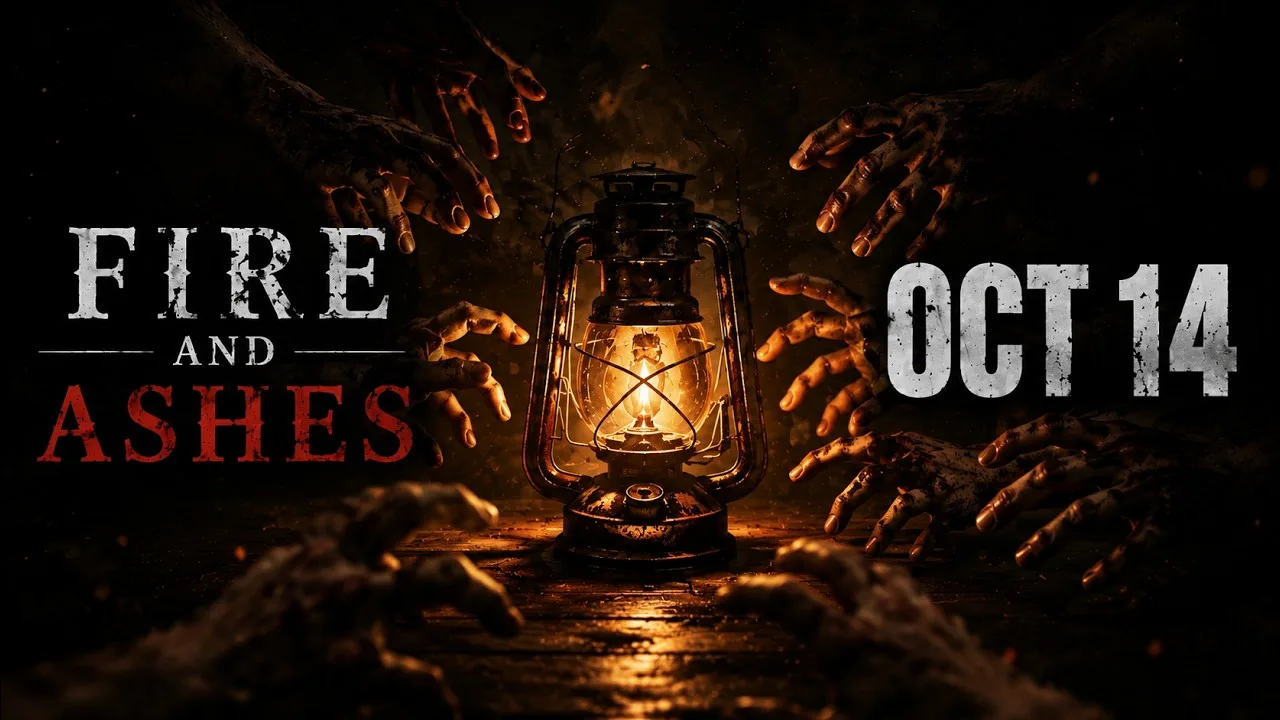
How to Manage Resources in FIRE AND ASHES
A panicked shout can expose you, but a deliberate one can create an escape: FIRE AND ASHES resource management starts with that decision. Protecting your supplies matters because Henry must survive combat while searching for clues and solving puzzles. Approach FIRE AND ASHES resource management by conserving Electric Voice charge, controlling when you make noise, and choosing fights around what you need to accomplish.
Survival involves more than collecting whatever you find. Sound can distract an enemy, create an attack opening, or betray your position. Electric Voice adds another decision: use its limited charge to stun an opponent, or sustain the attack to pursue a kill.
| Survival element | What it does |
|---|---|
| Scavenged resources | Help Henry fight and survive |
| Electric Voice charge | Powers the device’s electrical functions |
| Player-generated sound | Can reveal your position or influence enemies |
| Clues and puzzle solutions | Help advance the investigation into Henry’s past |
Treat each encounter as a problem with an objective. Decide whether you need to get past an opponent, create room to attack, or defeat the threat. Then choose an action that serves that objective.
Avoid committing to a kill simply because an enemy reacts to your attack. A stun and a lethal discharge involve different commitments of charge. Likewise, avoid shouting without deciding what you will do with the opening it creates.
Keep exploration in the same decision loop. Henry needs resources, but he also needs information. Search with a purpose: look for something useful, examine a clue, or work toward a puzzle solution.
Official page: FIRE AND ASHES (store.steampowered.com)
Conserve Electric Voice Charge During Combat
Electric Voice turns your voice into an electrical attack. It targets opponents with diodes embedded in their skulls, directing its discharge toward the nearest eligible enemy. Sustaining your shout keeps the current flowing, and a prolonged attack can become lethal.
 Image: PlayStation Store
The device has limited charge and requires a special electric box for recharging. That makes attack duration a resource decision every time you use it.
Decide Between a Stun and a Kill
Use the distinction between controlling an enemy and killing one to guide your attacks. Electric Voice can deliver a steady current to stun an opponent while conserving charge compared with a sustained lethal assault.
| Electric Voice function | How it works |
|---|---|
| Electrical targeting | Affects opponents equipped with implanted diodes |
| Stun | Uses electrical current to incapacitate an eligible opponent |
| Sustained attack | Continues producing current while you keep shouting |
| Lethal discharge | Prolonged electrical exposure can rupture an enemy’s head |
| Environmental interaction | Can operate electrical doors, lamps, and objects requiring power |
| Recharging | Requires a special electric box |
For FIRE AND ASHES resource management, choose the intended result before activating the device. If you need an opening to move away, use the stun to support that movement. If you choose to pursue a kill, make that a deliberate commitment rather than a reaction to panic.
Watch the opponent’s response and stop extending the discharge once your immediate objective is met. Continuing an attack after you have room to escape commits additional charge to a different goal.
Account for Targeting and Utility
For FIRE AND ASHES resource management, check which eligible opponent is nearest before using Electric Voice. Its targeting makes enemy position relevant; avoid planning an attack around a more distant target while another eligible enemy is closer.
Keep its environmental functions in mind, too. Electric Voice can interact with powered objects as well as enemies. Consider upcoming electrical interactions before spending charge on an optional extended attack.
When you encounter a special electric box and need charge, use it to recharge the device. Remember its location as you explore, but avoid building an entire combat plan around reaching a box you have not found.
Control Sound Before It Controls the Encounter
Your voice is both an offensive tool and a survival liability. FIRE AND ASHES responds to breathing, whispers, and panic through its voice-recognition system. A loud reaction can give away your position, while a purposeful shout can distract an enemy or create time to escape.
The useful question is what you want the sound to accomplish.
| Sound interaction | Gameplay effect |
|---|---|
| Audible breathing and whispers | Can expose your presence through voice recognition |
| Screaming | Can distract enemies or buy time to escape |
| Vocal taunts | Can create openings for an attack |
| Shouting with Electric Voice | Produces electrical current through the device |
Keep incidental conversation and deliberate gameplay sounds separate while using a microphone. Reduce unnecessary noise when you are trying to avoid detection. When you choose to shout, commit to the movement or attack that the distraction is meant to support.
Give Every Shout a Purpose
Before making noise, identify your next action. Choose where you intend to move if you want an escape opening. Prepare to attack if you are using a taunt to create an opportunity.
Do not spend that opportunity deciding what to do afterward. The point of a distraction is to change the encounter in your favor; follow through while the enemy is responding.
FIRE AND ASHES resource management also means distinguishing ordinary vocal tactics from Electric Voice attacks. A scream can distract, while the device uses voice activation to produce current. Choose the interaction that matches your objective instead of treating every vocal response as an electrical attack.
Choose Your Microphone Setup
A microphone is recommended for immersion, and the game can be completed without one. Choose the setup you can use comfortably and consistently.
With a microphone, treat real-world sounds as part of your play. Keep your surroundings quiet when you need discretion, and make intentional vocal actions when you need a response. Preserve that control during tense encounters rather than letting every scare dictate your next move.
Scavenge With Combat and Investigation in Mind
Henry’s escape involves searching grim locations, gathering necessary resources, solving puzzles, and uncovering fragments of his past. Exploration supports survival and story progression together.
Give each search a clear purpose. Look for resources when you need support for survival, investigate clues when you need direction, and examine puzzle elements when an obstacle requires a solution.
| Exploration activity | What it contributes |
|---|---|
| Scavenging | Resources for survival |
| Finding clues | Pieces of Henry’s history and the surrounding mystery |
| Solving puzzles | Progress through the story |
| Finding a special electric box | An opportunity to recharge Electric Voice |
Keep those goals connected. A clue can give your next move a purpose, while a resource search can prepare you for another confrontation. Avoid letting combat consume all your attention when investigation is also part of advancing.
For FIRE AND ASHES resource management, include recharge points in your mental picture of an area. Remember where you found a special electric box alongside the locations of puzzles and useful discoveries. That information can inform your decisions about charge use.
Search Deliberately Around Threats
Before committing to a search, consider the enemy you are dealing with and the resources you would spend confronting it. Decide whether you are searching to improve your survival options or investigating something needed for progress.
Keep your immediate objective narrow during danger. If you create an opening to escape, use it to escape. If you create an opening to attack, follow through on that attack. Resume a broader search when you can give the environment your attention.
Carry that habit beyond the psychiatric hospital. Henry’s journey extends into locations connected to his past, including secret laboratories. Continue evaluating what each area asks of you: combat, investigation, puzzle solving, or some combination of them.
Make Resource Decisions Around the Encounter
Henry faces patients, cannibals, ghosts, experimental victims, cybernetic creations, and other entities. Keep the distinction between that broad enemy roster and Electric Voice’s specific targeting requirement in mind.
Use the device around its diode-based targeting. For other confrontations, work with the combat tools and resources available to you, including melee combat and sound-based openings.
When You Need Space
Use a vocal distraction to support an escape attempt, or use Electric Voice’s stun against an eligible opponent to create an opening. Decide where you intend to go before acting.
Once you have that opening, follow the escape plan. Avoid automatically turning a successful distraction into another attack if your original objective was to get away.
When You Choose to Attack
Use a taunt to create an attack opportunity, then commit to the intended strike. With Electric Voice, decide whether you want a stun or a sustained assault before you begin shouting.
Keep the device’s nearest-target behavior in mind throughout that decision. Look at enemy positions before committing charge, especially when more than one eligible opponent is nearby.
When You Need to Recharge
Locate and use a special electric box when the device needs recharging. Until you reach one, weigh sustained electrical attacks against your remaining need for the device’s combat and environmental functions.
Keep this checklist in mind before spending charge:
- Identify the eligible target nearest to you.
- Decide whether the objective calls for a stun or a kill.
- Plan the movement or attack that follows.
- Consider electrical objects you still need to operate.
- Remember any special electric box you have already found.
Apply FIRE AND ASHES resource management to the outcome you need right now. Spend charge to accomplish something specific, use sound with a follow-up action in mind, and keep investigating when the immediate threat has passed.
FAQ
What is the key to FIRE AND ASHES resource management?
Manage Electric Voice charge alongside sound and scavenged resources. Choose whether an encounter calls for escape, a stun, or a sustained attack before committing. Keep searching for useful resources, clues, and puzzle solutions so combat remains connected to your progress.
How do you recharge Electric Voice?
Electric Voice requires a special electric box for recharging. Remember where you find these boxes while exploring, and consider your need for charge before committing to prolonged electrical attacks.
Can Electric Voice affect every enemy?
Electric Voice’s electrical attack targets opponents with diodes implanted in their skulls. It directs current toward the nearest eligible enemy. Check target eligibility and positioning before planning an encounter around the device.
Do you need a microphone to finish FIRE AND ASHES?
No. You can complete the game without a microphone. Using one enables the immersive voice interactions involving breathing, whispers, shouts, and taunts. With voice recognition in use, control unnecessary noise and make deliberate sounds to support an attack or escape.
Continue with
 FIRE AND ASHES Weapons: Melee, Pistol, AND Electric VoiceExplore FIRE AND ASHES weapons, from breakable melee gear and the pistol to Electric Voice. Learn how to parry, manage charge, and use sound to stay alive.
More in Combat & Survival

FIRE AND ASHES Enemies: Enemy Types AND Combat Tips
Learn how to handle FIRE AND ASHES enemies with melee counters, Electric Voice stuns, and protective light. Prepare for hospital threats and forest demons.
FIRE AND ASHES Melee Combat: Parry AND Survival Guide
Master FIRE AND ASHES melee combat with tips for parries, counterattacks, weapon durability, and Electric Voice. Save your energy and survive close fights.
Continue exploring
Join the community
Official channels for news, updates and player help: